


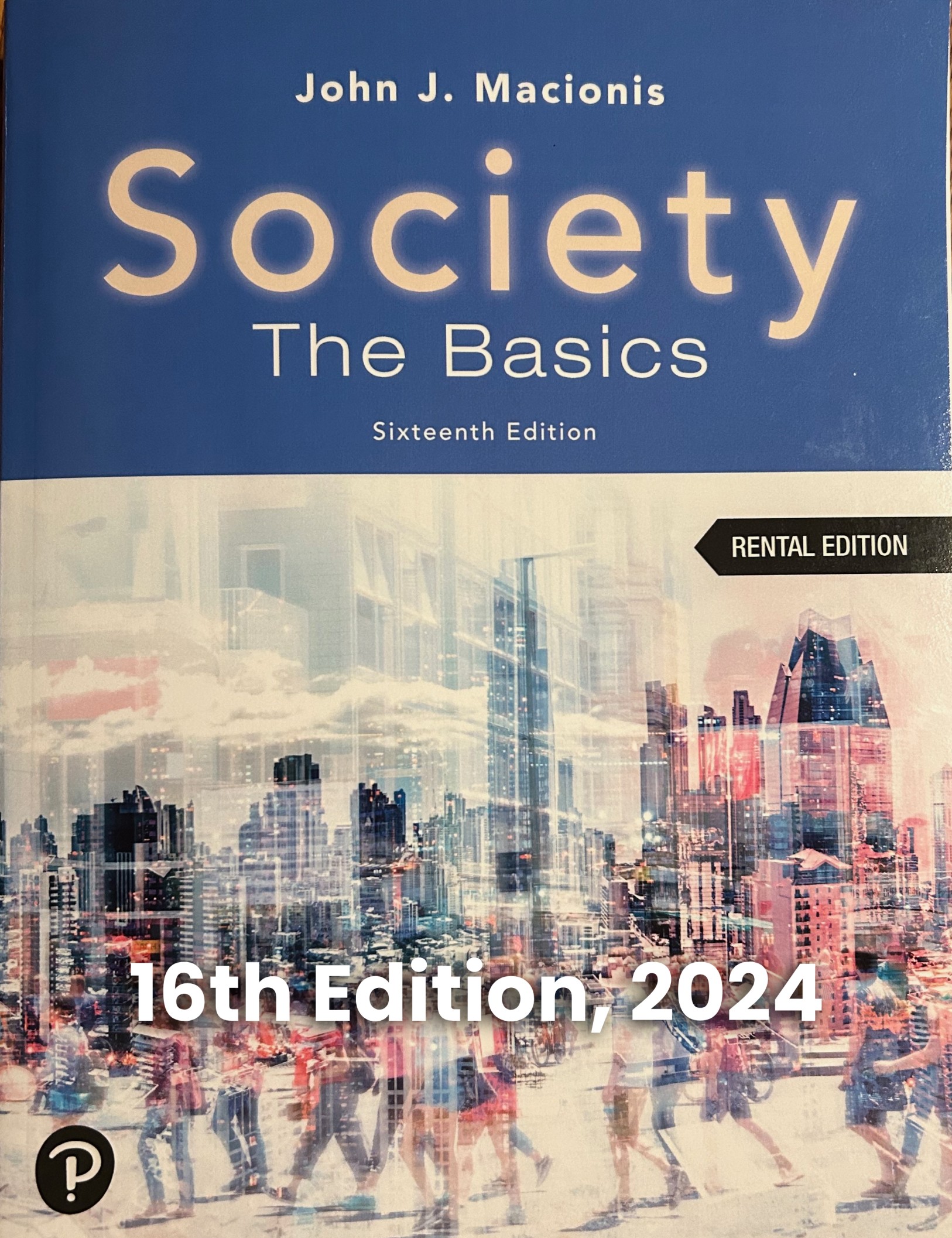
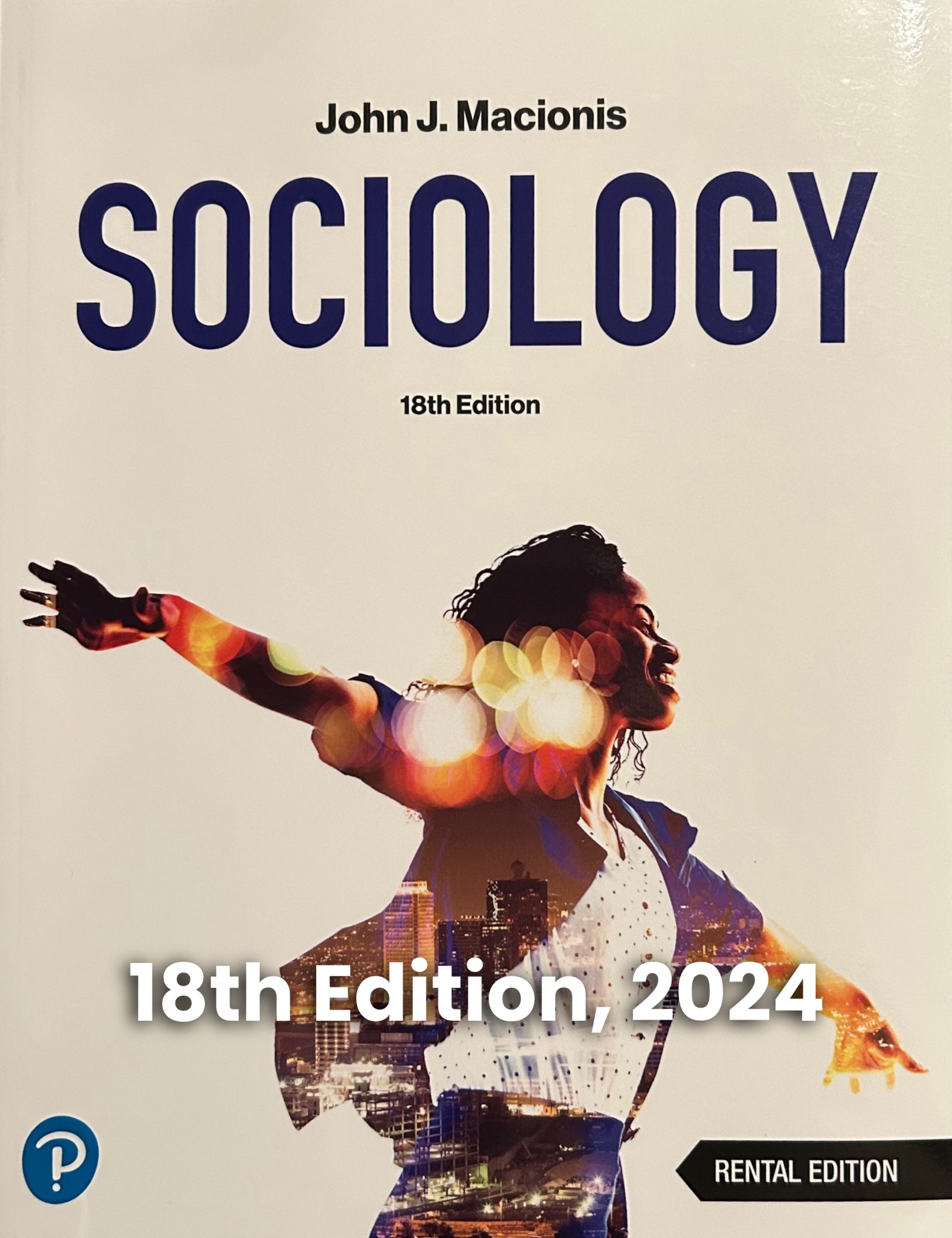
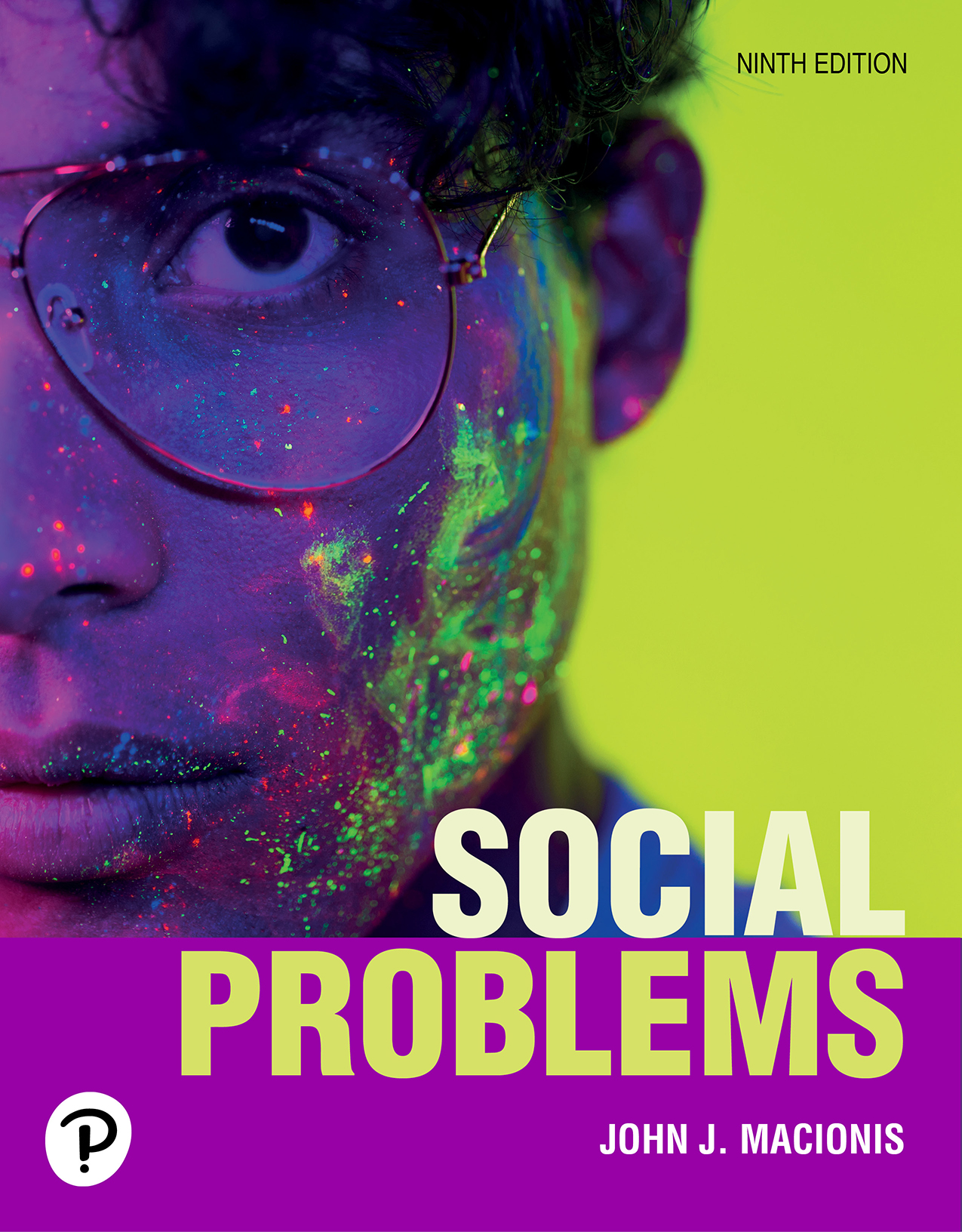
John J. Macionis was born and raised in Philadelphia, Pennsylvania. He began studying engineering at Cornell University before majoring in sociology and earning a bachelor’s degree. John received a doctorate in sociology from the University of Pennsylvania.


With years of experience across schools, community colleges, and universities, my primary goal has always been to offer the best-in-class material to my colleagues and students. In a rapidly changing world, it’s crucial that textbooks evolve as well. I believe that timely updates to book editions are essential to ensure relevance and accuracy, reflecting new knowledge.



The origins of Mamanar Marumagal can be traced back to ancient Tamil literature, where it was often alluded to in various forms of poetry and storytelling. The Tamil people have a rich tradition of storytelling, with many ancient texts like the Sangam literature and the Tirukkural referencing themes of love, desire, and relationships.
The Tamil language, with its rich literary heritage, has been a treasure trove of various genres of literature, including kamakathai, which refers to erotic literature. One of the fascinating aspects of Tamil kamakathai is the Mamanar Marumagal, a subgenre that explores the complexities of human relationships, love, and desire.
This relationship can be particularly significant in traditional Tamil families, where the maternal uncle (Mamanar) and his wife (Marumagal) often hold a special place in the lives of their nieces and nephews. The Marumagal, in particular, may be seen as a guardian, advisor, and caregiver, offering guidance and support to her nieces and nephews.
One summer evening, as the sun dipped into the horizon, Anbu and Mamanar sat on the banks of the Cauvery River. The air was filled with the sweet scent of blooming flowers, and the sound of the river's gentle flow.
The best stories in this genre focus on psychological buildup, exploring the inner conflict of characters who feel caught between their social duties and their personal desires.
frequently found on niche blogs and adult forums. They typically follow a formulaic narrative involving taboo family relationships, which is a common trope in amateur adult writing globally. Security and Safety Warnings
The origins of Mamanar Marumagal can be traced back to ancient Tamil literature, where it was often alluded to in various forms of poetry and storytelling. The Tamil people have a rich tradition of storytelling, with many ancient texts like the Sangam literature and the Tirukkural referencing themes of love, desire, and relationships.
The Tamil language, with its rich literary heritage, has been a treasure trove of various genres of literature, including kamakathai, which refers to erotic literature. One of the fascinating aspects of Tamil kamakathai is the Mamanar Marumagal, a subgenre that explores the complexities of human relationships, love, and desire. mamanar marumagal tamil kamakathai
This relationship can be particularly significant in traditional Tamil families, where the maternal uncle (Mamanar) and his wife (Marumagal) often hold a special place in the lives of their nieces and nephews. The Marumagal, in particular, may be seen as a guardian, advisor, and caregiver, offering guidance and support to her nieces and nephews. The origins of Mamanar Marumagal can be traced
One summer evening, as the sun dipped into the horizon, Anbu and Mamanar sat on the banks of the Cauvery River. The air was filled with the sweet scent of blooming flowers, and the sound of the river's gentle flow. One of the fascinating aspects of Tamil kamakathai
The best stories in this genre focus on psychological buildup, exploring the inner conflict of characters who feel caught between their social duties and their personal desires.
frequently found on niche blogs and adult forums. They typically follow a formulaic narrative involving taboo family relationships, which is a common trope in amateur adult writing globally. Security and Safety Warnings


Here is a forty minute video lecture that examines income inequality beginning with my own Kenyon campus and then investigates broader patterns of inequality in diverse work settings, including education, medicine, and the world of finance. The presentation also contrasts public perceptions to the reality of wealth inequality.