Get full access to Xogot for one year—completely free.
Bring worlds to life with Godot's powerful 3D tools, including a comprehensive scene system, advanced lighting, and flexible scripting

Create games that pop with approachable 2D game development tools including tile map editor, scalable layout, and a dedicated 2D pipeline

Animate characters, UI, and more with timeline-editing built for touch

Select and inspect scene nodes - and interact with the editor - while running the game

Powered by Godot, the powerful, and popular, open source game engine, distribute your games with a runtime that is not encumbered by commercial redistribution restrictions

Built for Touch
Xogot embraces iPad and iOS conventions to give you a smooth, native experience that feels right at home on your favorite device
Xogot's code editor is 100% native to enable maximum productivity when composing game logic in GDScript
With a fully-integrated debugger, you can set breakpoints, explore your program state and even profile key parts of your game directly on your iPad or iPhone







Export to WebAssembly and share your game with a link — playable in any modern browser, on any device.
Or, use Godot on the desktop to publish to iPhone, iPad, Android, Windows, Steam, consoles, and more.

Use Stage Manager to split your work across multiple displays on iPad Pro or iPad Air
Code on one screen, test and design on another.
Arrange windows and tools to suit your style.

Import projects from iCloud, USB drives, or GitHub (via Working Copy) and keep building on the go.

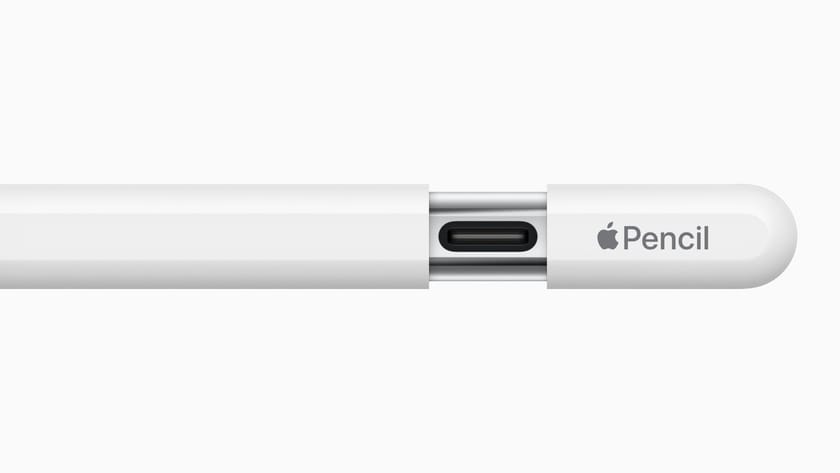
Edit 2D and 3D scenes in fine detail with Apple Pencil
Make Games Anywhere with Xogot
See what’s possible with Xogot, the iPad and iPhone native version of the Godot game engine.

Hybrid molecular ferroelectrics have emerged as a promising class that can combine the of organic chemistry with the robustness of inorganic frameworks. Notable examples include (NH₄)₂SnCl₆ , [(CH₃)₃NH]PbI₃ , and the recent Cu‑based metal‑organic ferroelectrics . However, a material that simultaneously offers room‑temperature stability , low loss , high breakdown strength , and scalable thin‑film processing remains elusive.
In a world where codes and ciphers are used to conceal secrets, one particular sequence of characters has piqued the interest of many: "JUQ-123". This enigmatic code has been circulating online, leaving many to wonder what it could possibly mean. JUQ-123
Background: Acute Myeloid Leukemia (AML) remains a hematological malignancy with poor prognosis, particularly in patients with high-risk genetic mutations. Constitutive activation of the JAK-STAT pathway and the dysregulation of deubiquitinases (DUBs), specifically USP7, are two critical mechanisms driving AML pathogenesis and chemoresistance. Methods: We describe the preclinical characterization of JUQ-123, a first-in-class, rationally designed small molecule that acts as a dual inhibitor of JAK2 and USP7. In vitro assays were conducted to evaluate binding affinity, kinase selectivity, and DUB inhibitory activity. Cellular proliferation, apoptosis, and cell cycle analyses were performed on a panel of AML cell lines and primary patient-derived xenograft (PDX) cells. In vivo efficacy was assessed using systemic AML murine models. Results: JUQ-123 exhibited high affinity for both the ATP-binding pocket of JAK2 (IC50 = 12 nM) and the catalytic domain of USP7 (IC50 = 35 nM). In AML cell lines, JUQ-123 induced robust G1 cell cycle arrest and apoptosis, outperforming monotherapies targeting either JAK2 (Ruxolitinib) or USP7 (FTX-671) alone. Mechanistically, dual inhibition resulted in the concurrent suppression of STAT5 phosphorylation and the stabilization of the tumor suppressor p53. In vivo, oral administration of JUQ-123 led to significant leukemic burden reduction and prolonged overall survival without inducing systemic toxicities. Conclusions: JUQ-123 represents a highly promising therapeutic strategy. By simultaneously disrupting JAK-STAT signaling and restoring p53 tumor suppressor activity via USP7 inhibition, JUQ-123 circumvents compensatory resistance mechanisms, warranting its rapid translation into early-phase clinical trials for high-risk AML. Hybrid molecular ferroelectrics have emerged as a promising
Acute Myeloid Leukemia (AML) is characterized by the uncontrolled proliferation of undifferentiated myeloid progenitor cells. Despite aggressive chemotherapy and the recent advent of targeted agents, the 5-year survival rate remains dismal, hovering around 30% for adults. A major hurdle in AML treatment is the rapid development of therapeutic resistance, often driven by bypass signaling pathways and the degradation of tumor suppressor proteins. In a world where codes and ciphers are