Mesum 19 Exclusive — Jilbab
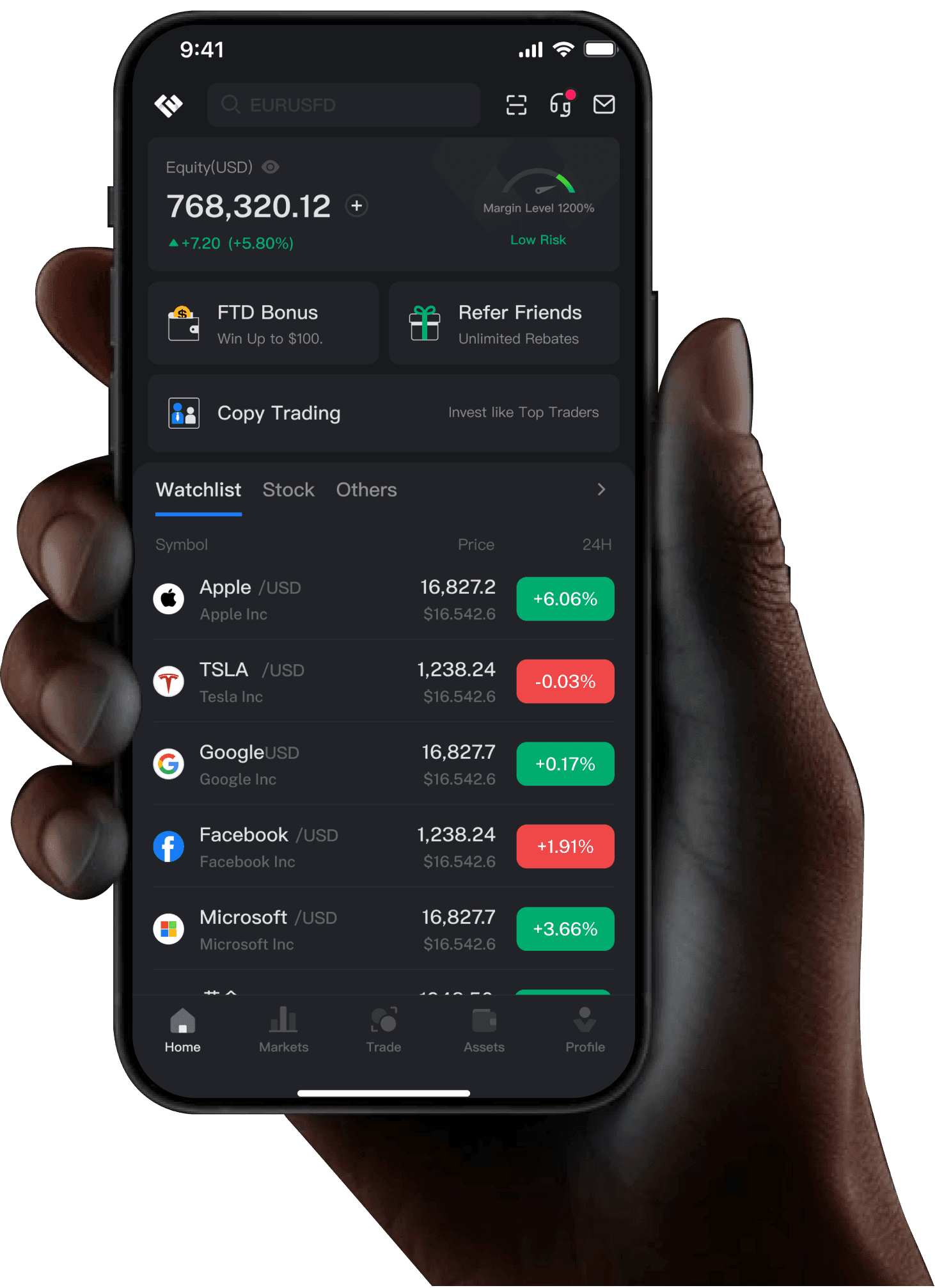
- Easy-to-User interface with mobile enhanced trading experience
- Allows traders to focus purely on trading
- Easier to catch potential trades by exploring "Popular Markets."


Download VS TRADER





User-friendly Interface

Trade anywhere anytime

Multi-level Secured Technology

Real-time trading

Excellence in execution

Convenient Demo or Live Trading modes

Monitor your account and market quotes

Manage and protect your open positions

Set prices, execute orders and receive price movement alerts via push notifications. Never miss a potential opportunity.
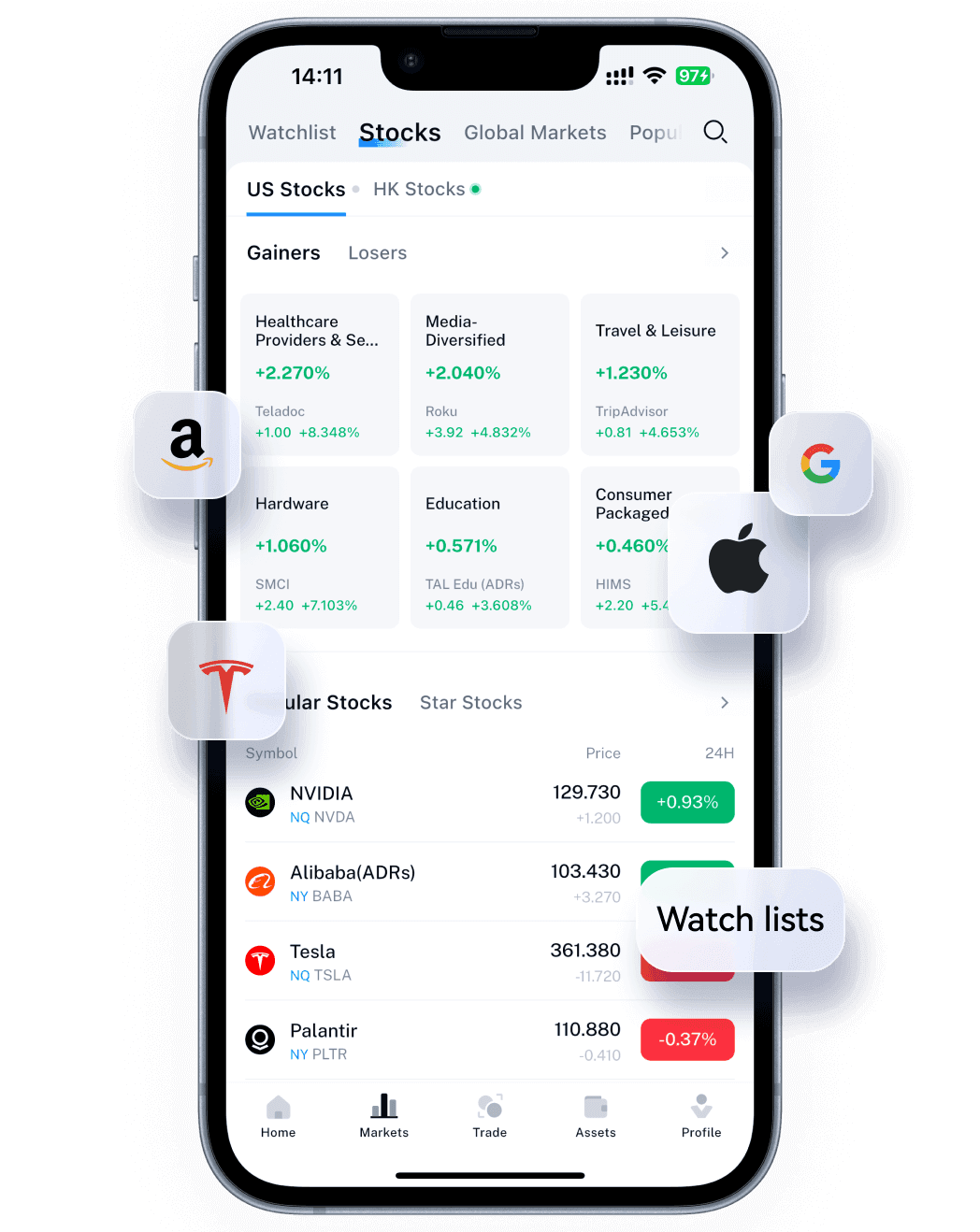
Easier to catch potential trades by exploring "Popular Markets."
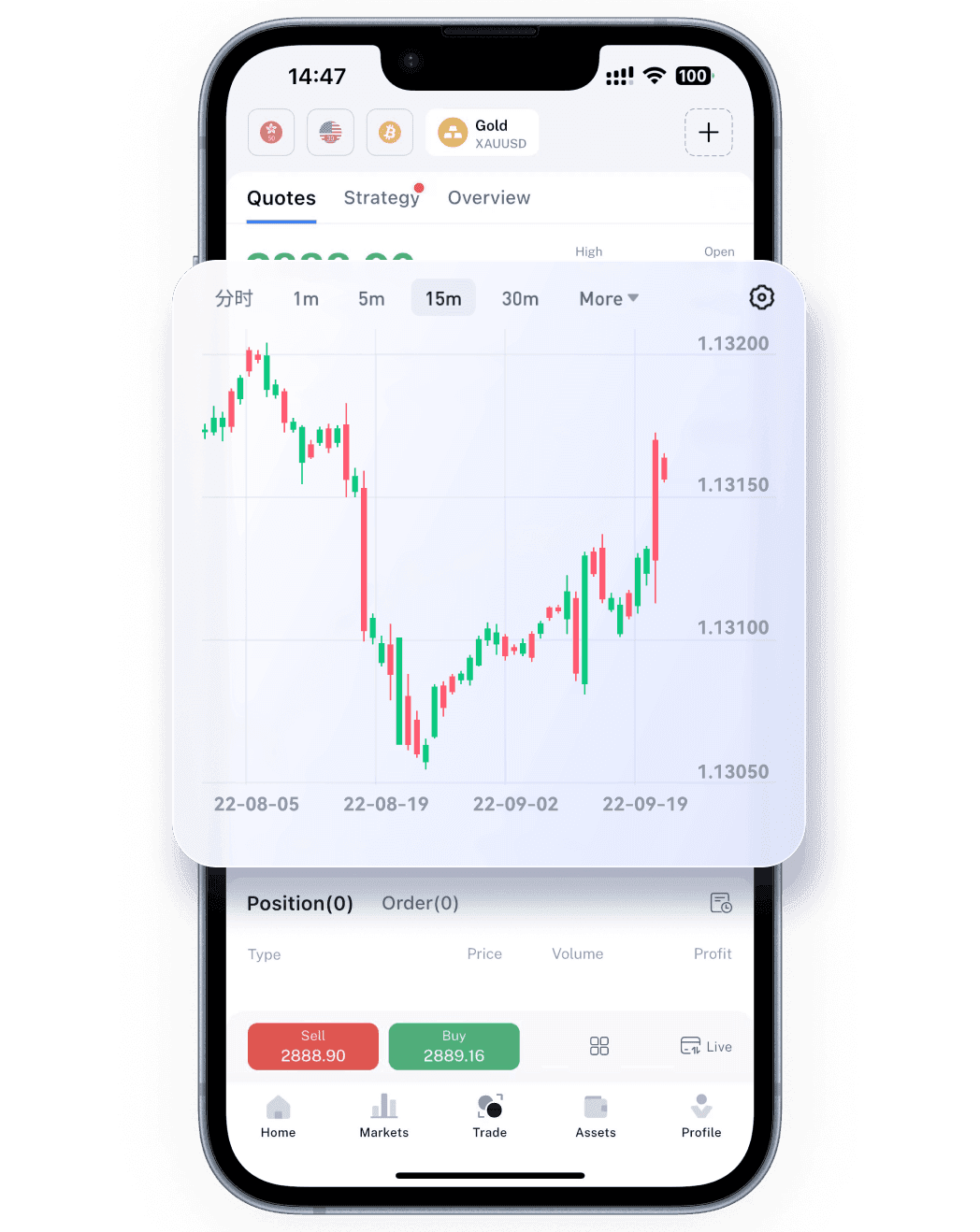
Follow and discover opportunities anytime, anywhere

Follow and discover opportunities anytime, anywhere
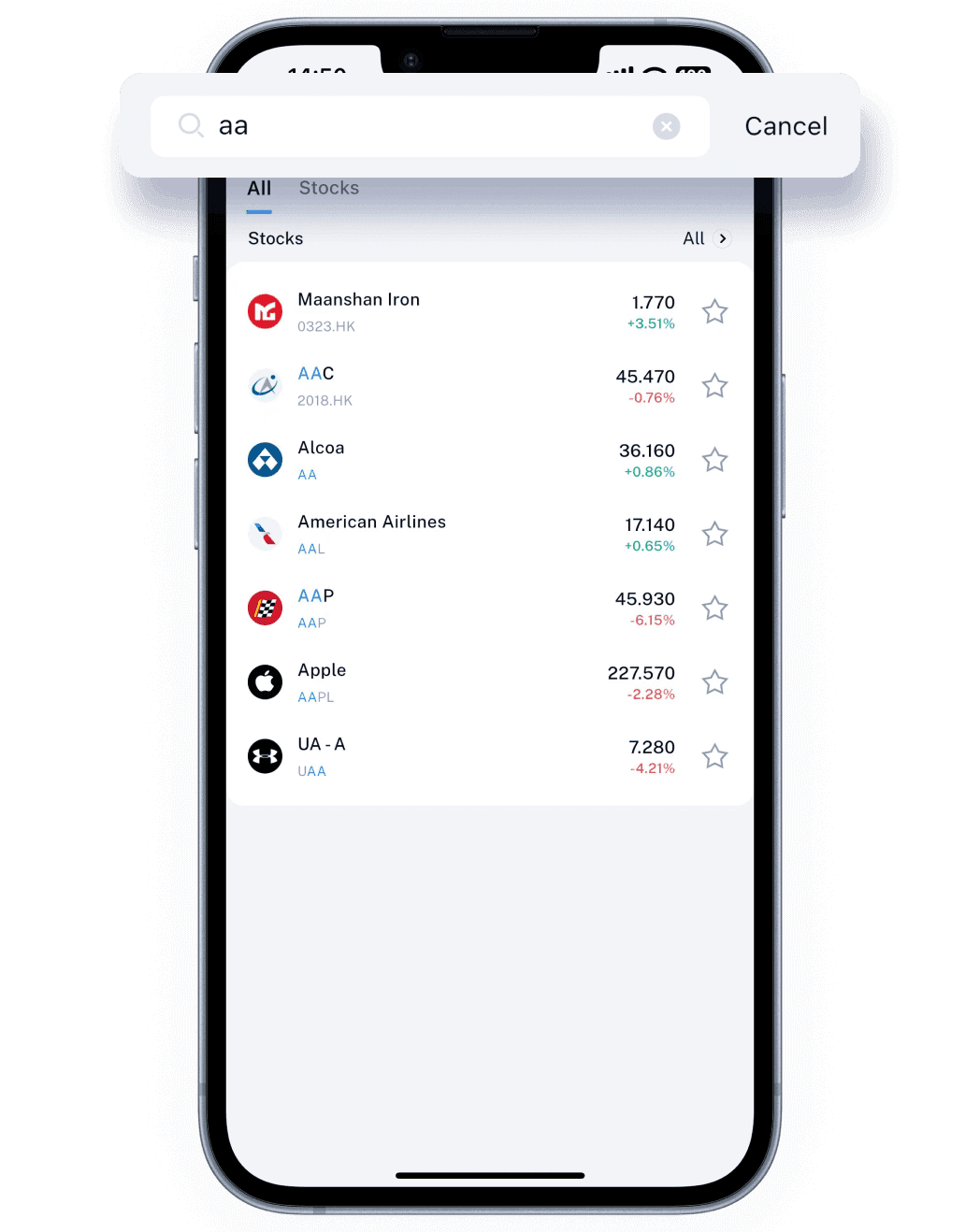
Filter products by name to get a quick quote


Start trading Global with us today

The rise of Jilbab 19 is inseparable from Indonesia's hyper-connected social media culture. Platforms like Instagram and TikTok have birthed the "Hijaber" subculture—influencers who blend modest fashion with high-end aesthetics.
Thousands of ustadzah (female preachers) on TikTok and Instagram monetize "jilbab tutorials." However, a bizarre issue emerged: the Jilbab+Makeup contradiction. Women who wear full, perfect jilbab but pair it with contouring, false lashes, and lip tint are accused of tabarruj (displaying adornment). jilbab mesum 19 exclusive
The jilbab (hijab) in Indonesia is more than just a piece of cloth; it is a potent cultural symbol. Indonesia has seen a massive "veiling movement" over the last few decades, transitioning from a traditional garment to a symbol of modern Islamic identity and middle-class piety. The rise of Jilbab 19 is inseparable from
Women now strategically de-veil for job interviews in South Jakarta’s startup hubs. The jilbab has become a resume filter—either too religious for modern jobs or not religious enough for civil servant jobs. The woman cannot win. Women who wear full, perfect jilbab but pair
To achieve the Jilbab 19 look, many young women turn to (Shopee PayLater, Kredivo, Akulaku) or even illegal online loans ( pinjol ). The pressure to keep up with influencers who post daily outfit changes leads to:
More than a decade later, Jilbab 19 is not a relic. As Indonesia swings between conservatism and liberalism, the questions Rengganis asked remain unanswered. The jilbab is no longer just a piece of cloth; it is a political battlefield, a social class marker, and for millions of women, a diary of their struggle.