







Mkvcinemas 2025 Bollywood Work [TOP-RATED | VERSION]
No.crs124
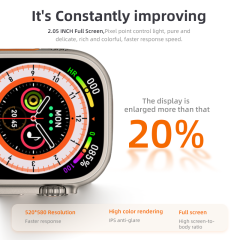
Best selling ZW8 Ultra Max smart watch series 8 ZW8 ultra Max energy watch BT call IP67 waterproof wireless charging HD screen
MkvCinemas is a prominent name in the world of online film distribution, particularly known for its focus on Bollywood movies
Word spread. The label showed up on everything: a forgotten arthouse gem by a Mumbai newcomer, a big-studio potboiler that had slipped early prints to a mole, even a lost documentary about displaced villagers whose plight had been drowned out by blockbuster PR. The tag became a seal of intimacy, a promise of work-in-progress honesty—fissures and all.
While users save ₹300 on a ticket, the industry bleeds. In 2025, the Indian film industry lost an estimated ₹2,500 crore to piracy, with MKVCinemas accounting for nearly 18% of that traffic.
Journalists tried to trace MKVCinemas’s source. They chased IP trails, interviewed ex-studio interns, knocked on the doors of shadowy hosting sites. Their investigations returned a patchwork answer: no single person, no single server—rather, an ecosystem of leakers, archivists, fans and former insiders who traded files like contraband literature. The label’s true power lay not in secrecy but in curatorial intent. Whoever coined that header applied it selectively: not every pirated file warranted the tag, only those that felt like work—raw, unfinished, honest.


MkvCinemas is a prominent name in the world of online film distribution, particularly known for its focus on Bollywood movies
Word spread. The label showed up on everything: a forgotten arthouse gem by a Mumbai newcomer, a big-studio potboiler that had slipped early prints to a mole, even a lost documentary about displaced villagers whose plight had been drowned out by blockbuster PR. The tag became a seal of intimacy, a promise of work-in-progress honesty—fissures and all.
While users save ₹300 on a ticket, the industry bleeds. In 2025, the Indian film industry lost an estimated ₹2,500 crore to piracy, with MKVCinemas accounting for nearly 18% of that traffic.
Journalists tried to trace MKVCinemas’s source. They chased IP trails, interviewed ex-studio interns, knocked on the doors of shadowy hosting sites. Their investigations returned a patchwork answer: no single person, no single server—rather, an ecosystem of leakers, archivists, fans and former insiders who traded files like contraband literature. The label’s true power lay not in secrecy but in curatorial intent. Whoever coined that header applied it selectively: not every pirated file warranted the tag, only those that felt like work—raw, unfinished, honest.